
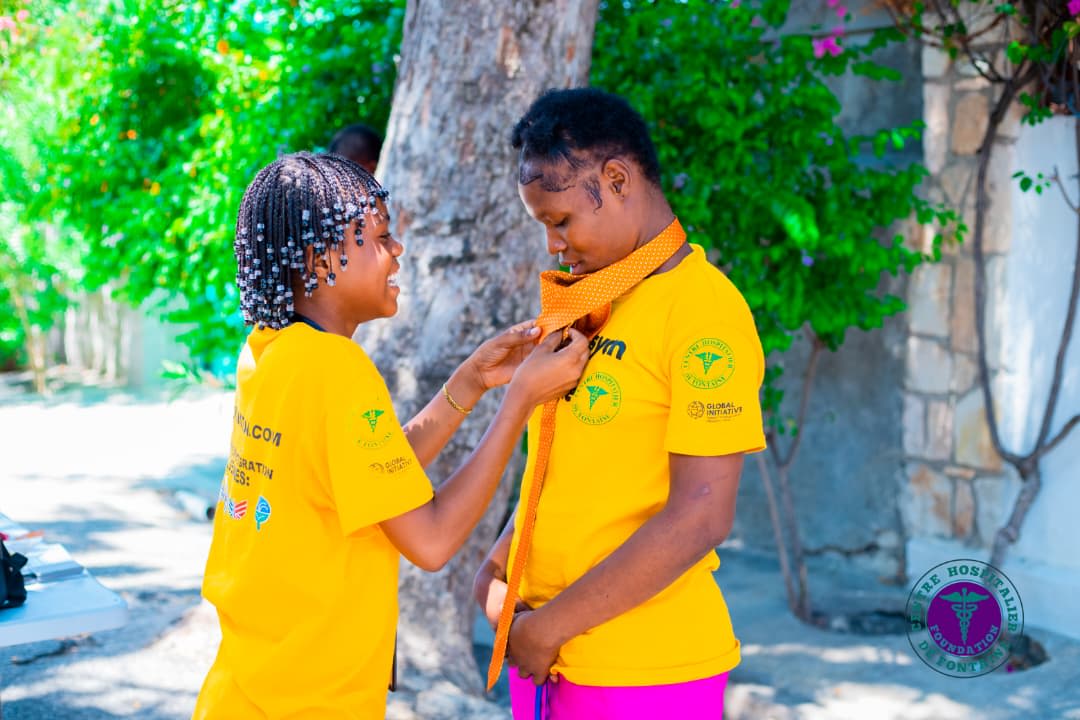

Haiti is facing a profound security and governance crisis following the assassination of Jovenel Moïse, in 2021, and the subsequent erosion of state authority that led to the rise of a new generation of criminal groups.
Gangs, now united under an armed coalition called Living Together (Viv Ansanm), exert control over large parts of the country, including the capital, Port-au-Prince, critical infrastructure and commercial routes, driving extreme levels of violence, extortion, forced displacement, and drugs and firearms trafficking. Communities are navigating daily insecurity in a context where public institutions are unable to provide protection or basic services.

According to the 2025 Global Organized Crime Index, Haiti ranks 35th out of 193 countries globally for criminality, making it the most affected country in the Caribbean. At the same time, it ranks 177th worldwide for resilience, and last in the region, reflecting institutional weakness in preventing, containing, and responding to organized crime. These conditions expose communities to sustained harm while leaving victims with limited access to justice, protection, or support.

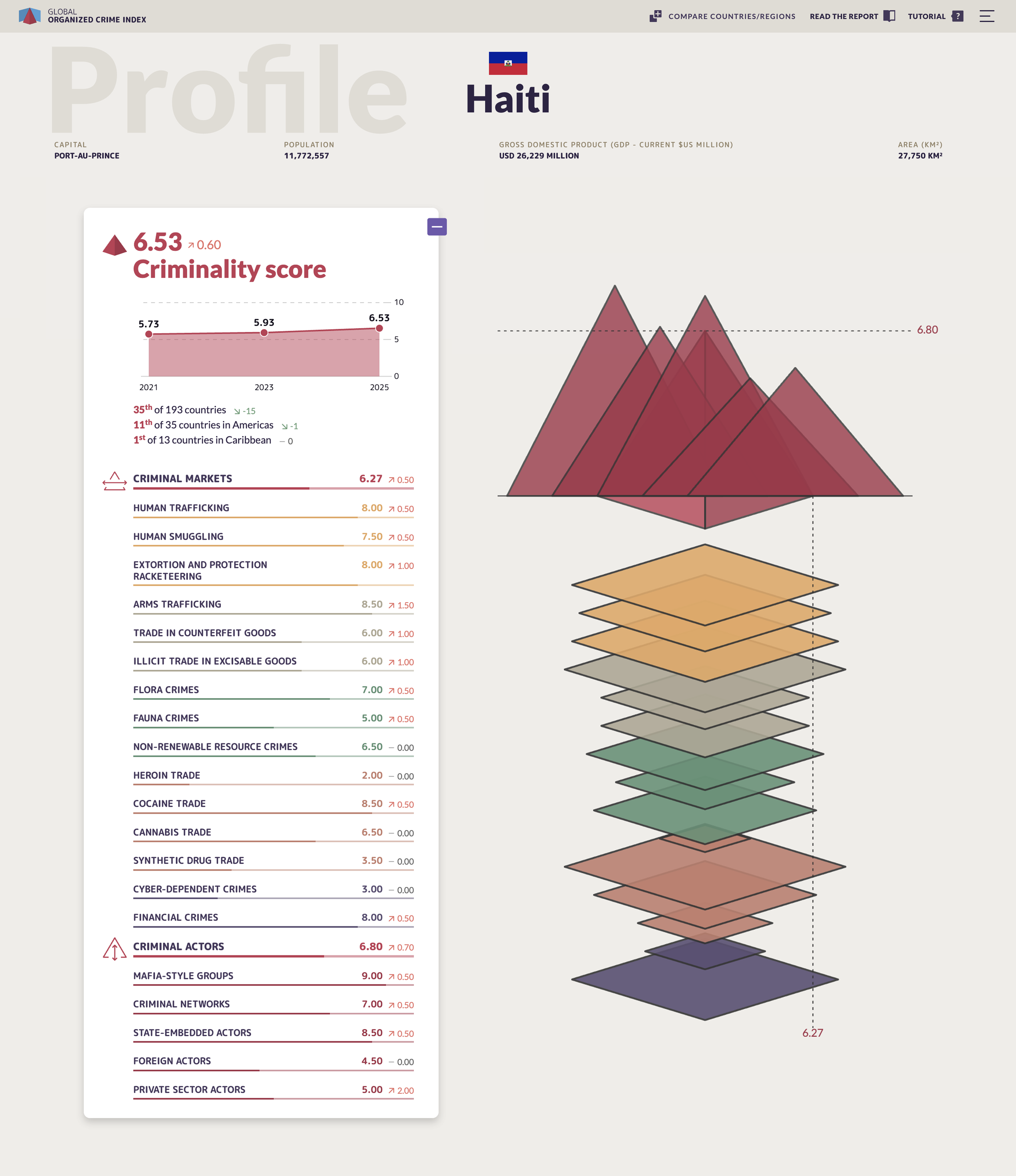

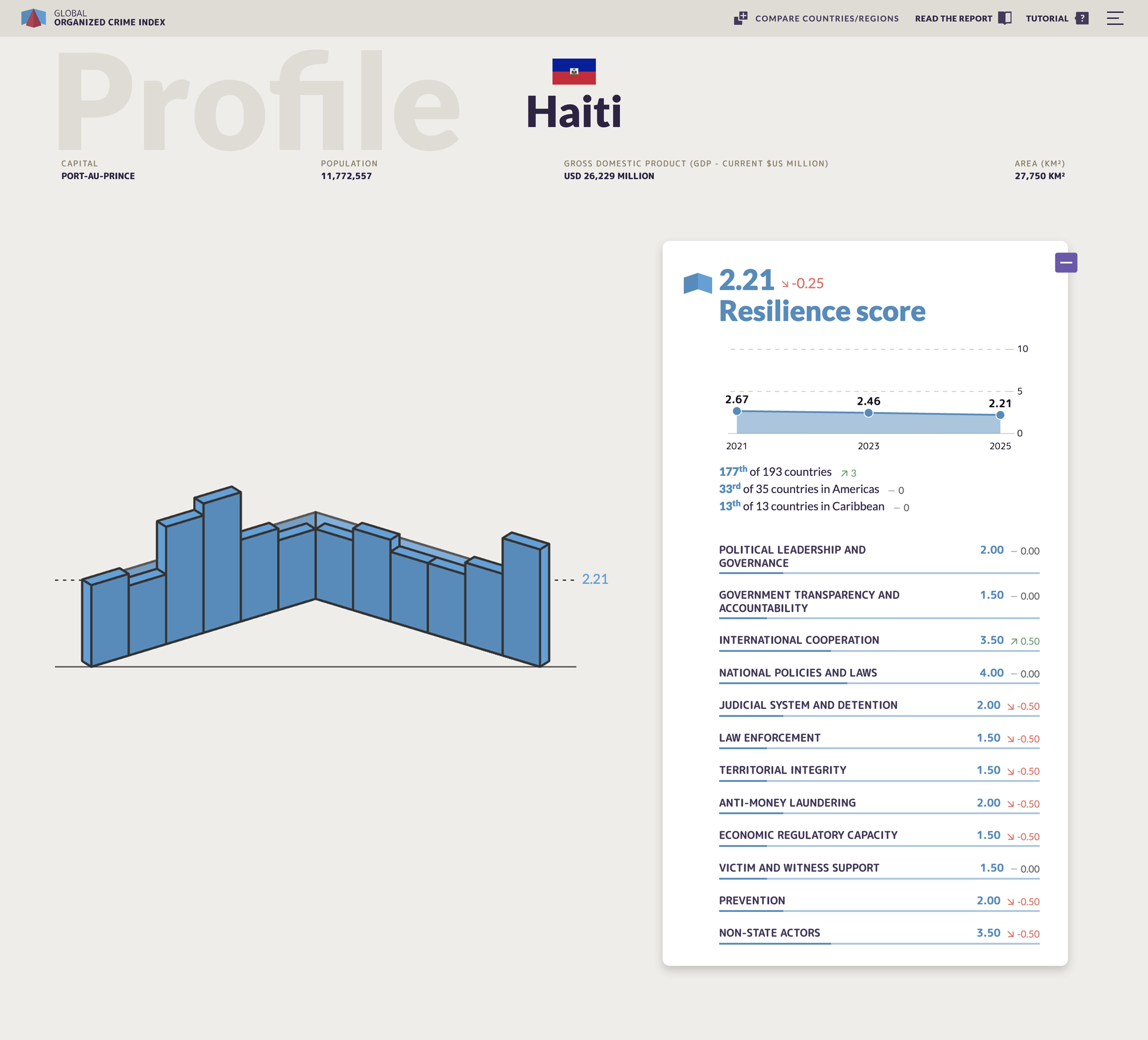
This combination of high criminality and low institutional resilience has created deep governance gaps. In this environment, civil society organizations play a critical role in sustaining social cohesion, supporting displaced families, and providing support that the authorities do not.
Community-based initiatives often represent the only protective structures available, especially for young people and women facing heightened risks of exploitation and gang recruitment.
A community-led response
In response to this reality, the Resilience Fund works with locally rooted organizations that strengthen community resilience from the ground up, prioritizing approaches that address structural drivers of violence, including youth exclusion, gender-based violence, displacement, and the lack of safe spaces.
Within this framework, Centre Hospitalier de Fontaine Foundation (CHFF) in Cité Soleil and Centre d’orientation et de soutien à la famille Haïtienne (COSOFH) in the South Department work with communities at the frontline of Haiti’s crisis to reduce vulnerability and create alternatives to violence.
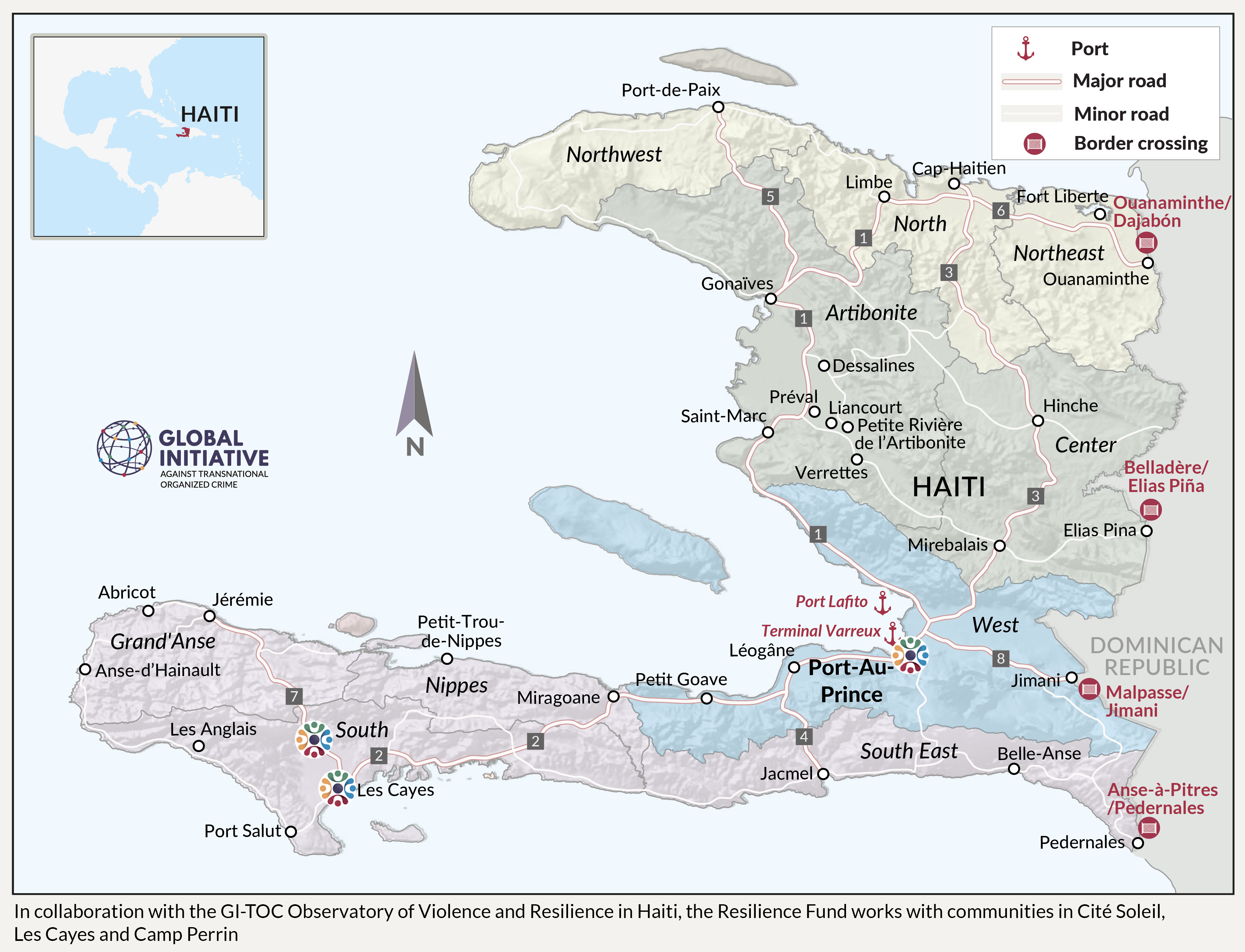
Both organizations are operating in two different contexts. Cité Soleil is completely controlled by gangs, while Les Cayes and Camp Perrin are in a region beyond the control of the gangs. In Cité Soleil, young people face persistent exposure to armed groups, limited access to education, and acute economic marginalization. In Les Cayes and Camp Perrin, families displaced by gang violence are rebuilding their lives in communities under strain, where adolescent girls face heightened risks of abuse, exploitation, and social exclusion.

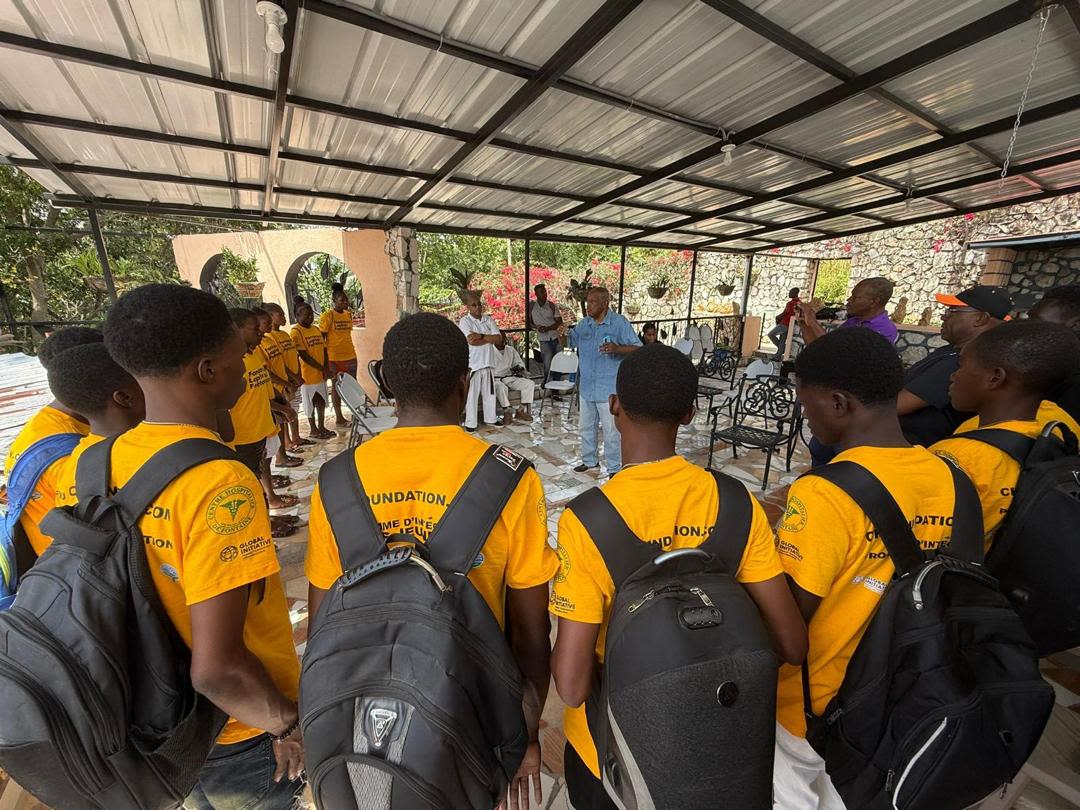

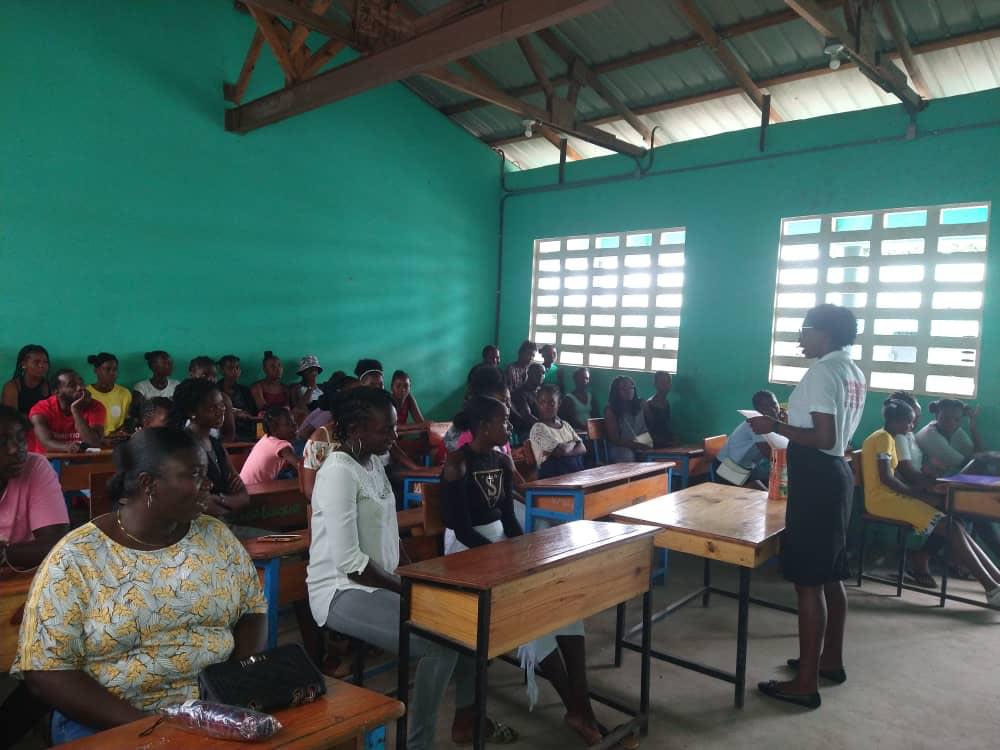
In collaboration with the Resilience Fund, CHFF and COSOFH implement integrated, community-based programs that combine prevention, care, and skills development.

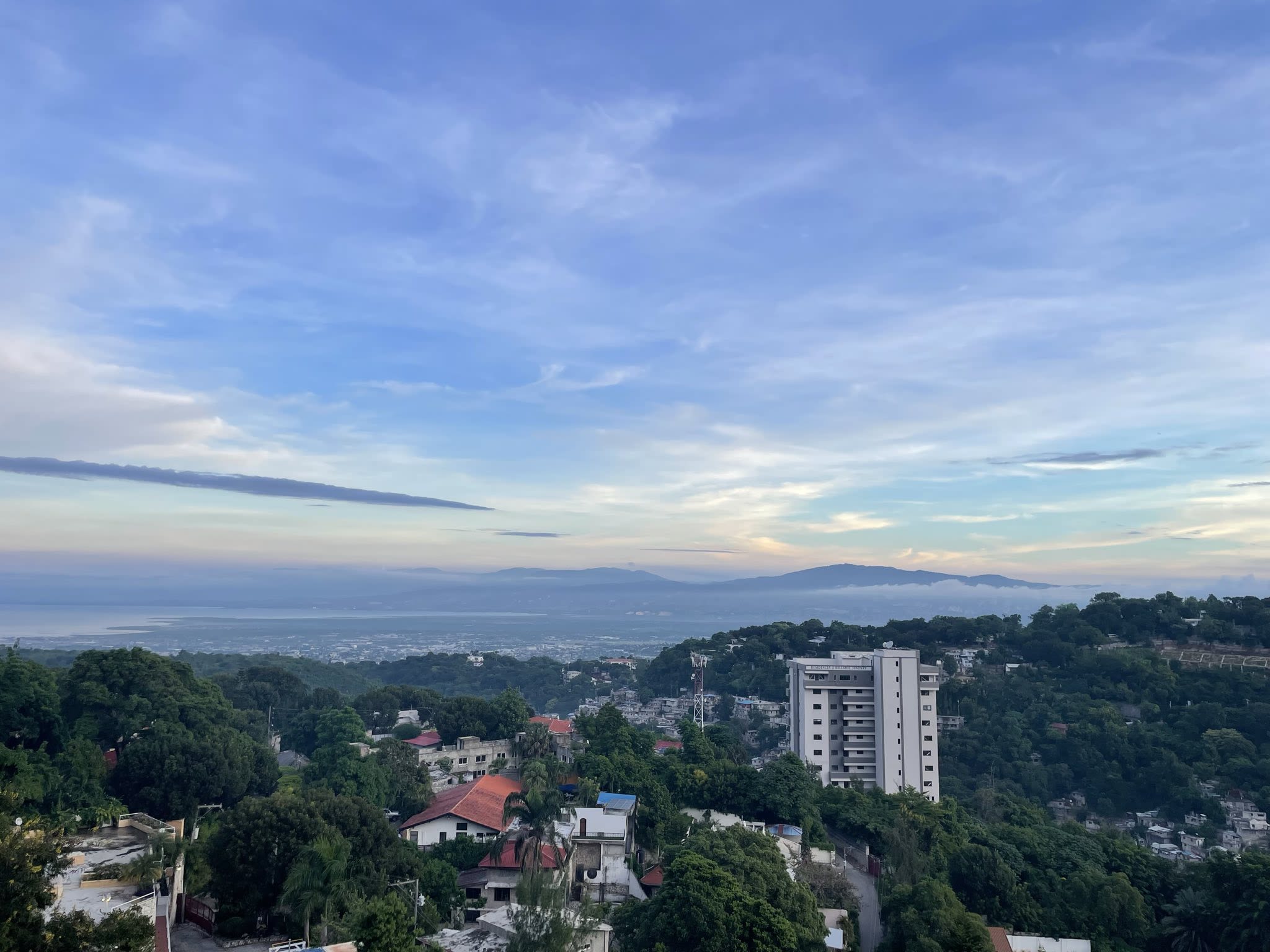
Centre d’orientation et de soutien à la famille Haïtienne
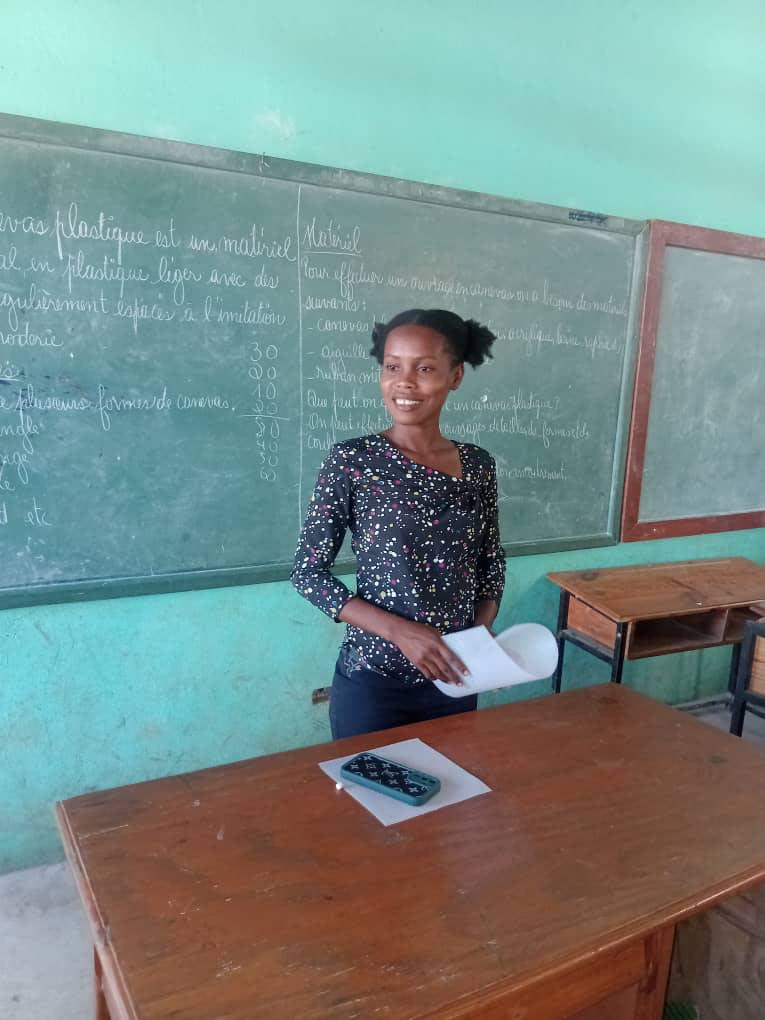
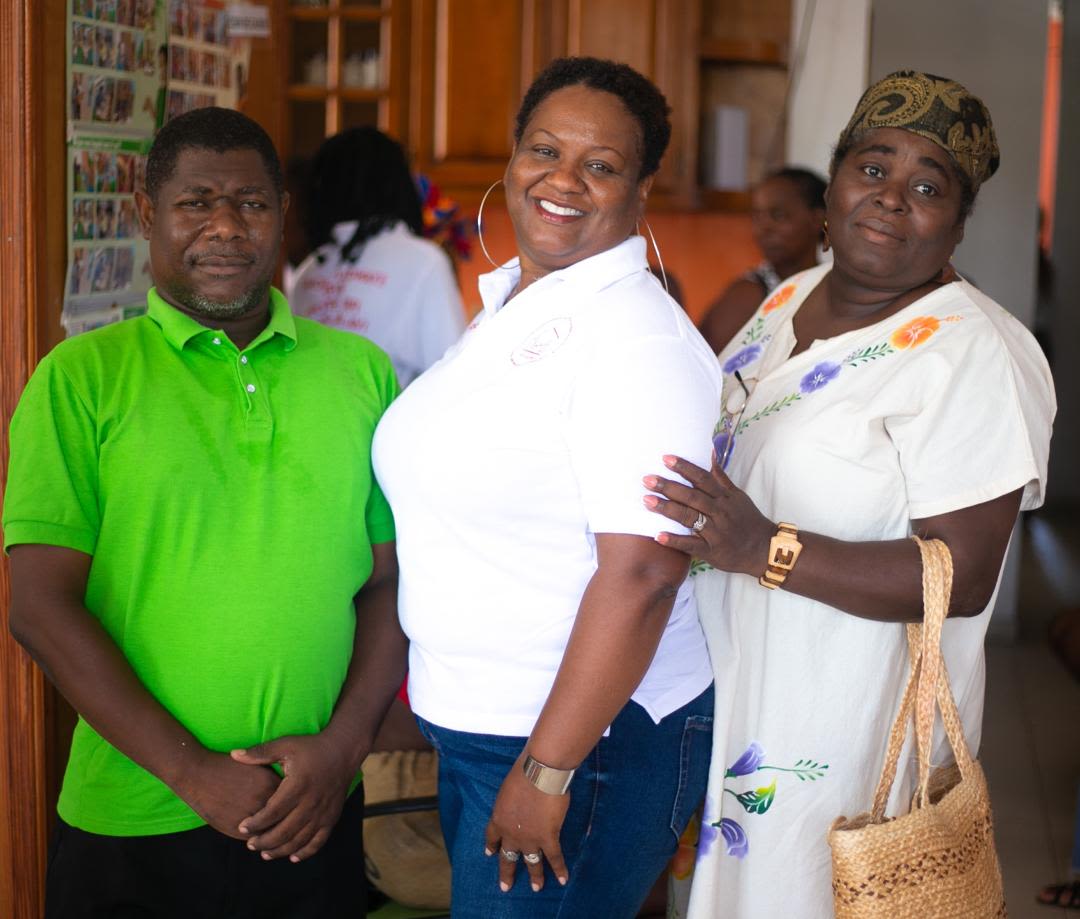
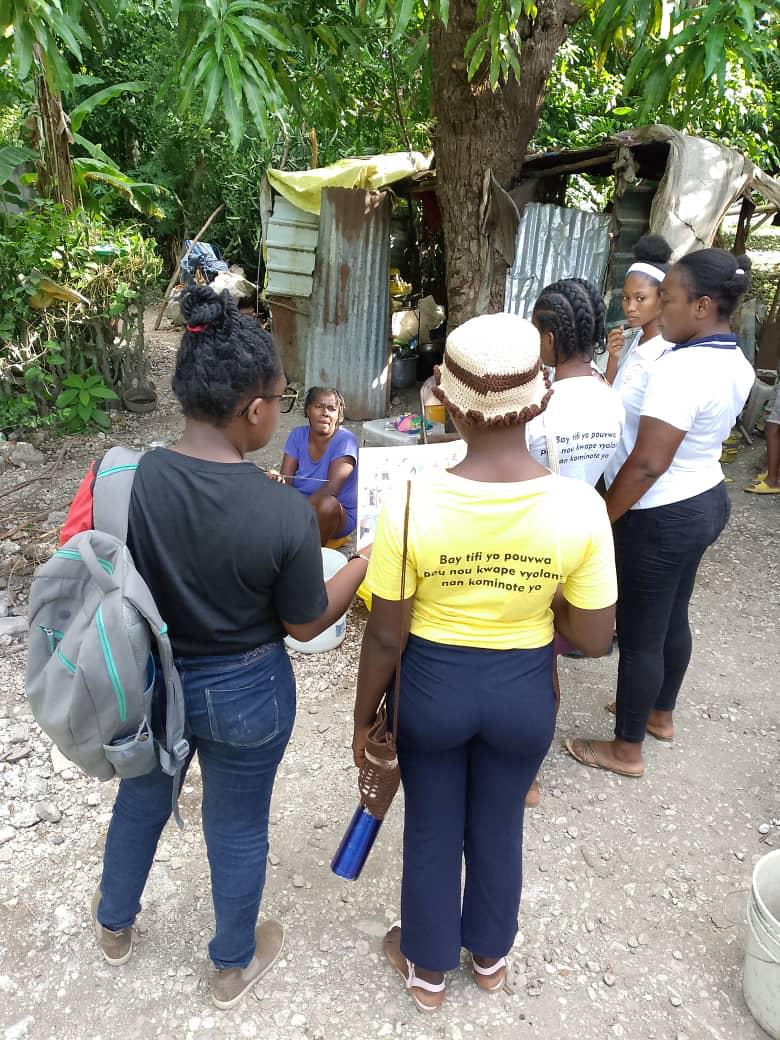
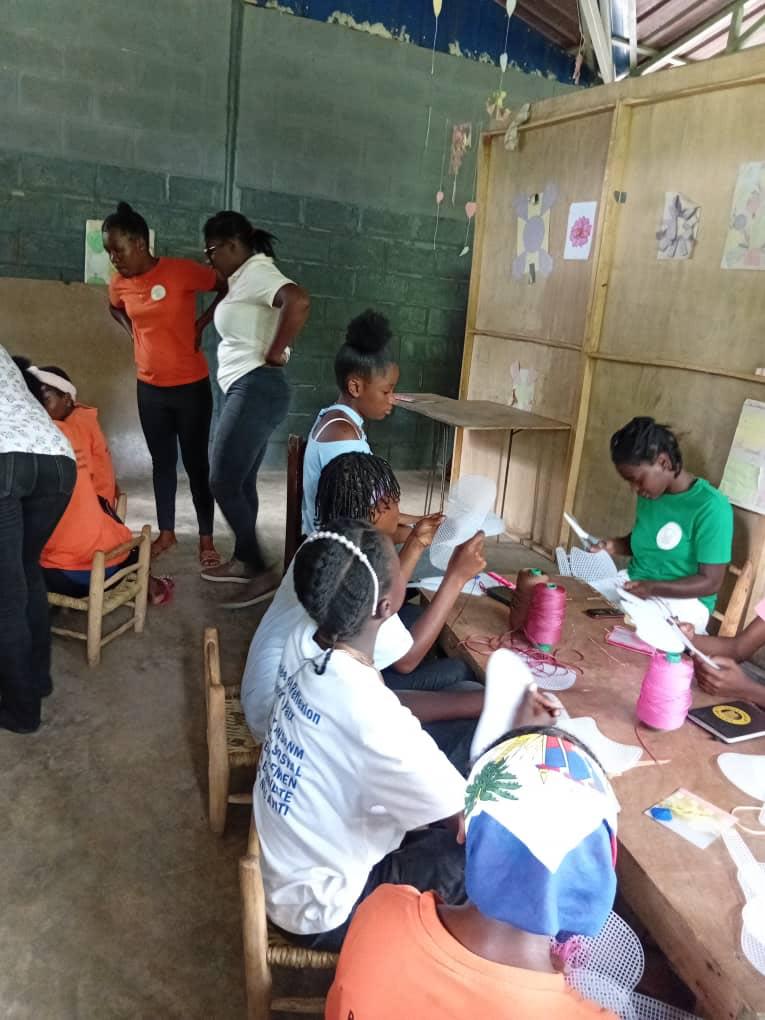
COSOFH supports more than 100 adolescent girls through its Kore Tifi (“Strengthening Girls”) program, providing psychosocial support, mentorship, violence-prevention education, and vocational training. Parents and community leaders are actively involved through regular meetings, reinforcing collective responsibility for protection and well-being. Community surveys, open-house events, and program milestones, such as the graduation of 75 girls from the Kore Tifi program, help document shifts in perceptions, behavior, and social dynamics, while strengthening local ownership of these initiatives.







Centre Hospitalier de Fontaine Foundation
CHFF builds on decades of healthcare provision in Cité Soleil by expanding access to education support, psychosocial care, and vocational pathways for young people at risk of gang recruitment. Activities include academic assistance, agricultural training, sports, and life-skills development, offering safe spaces and positive role models in a highly volatile environment.
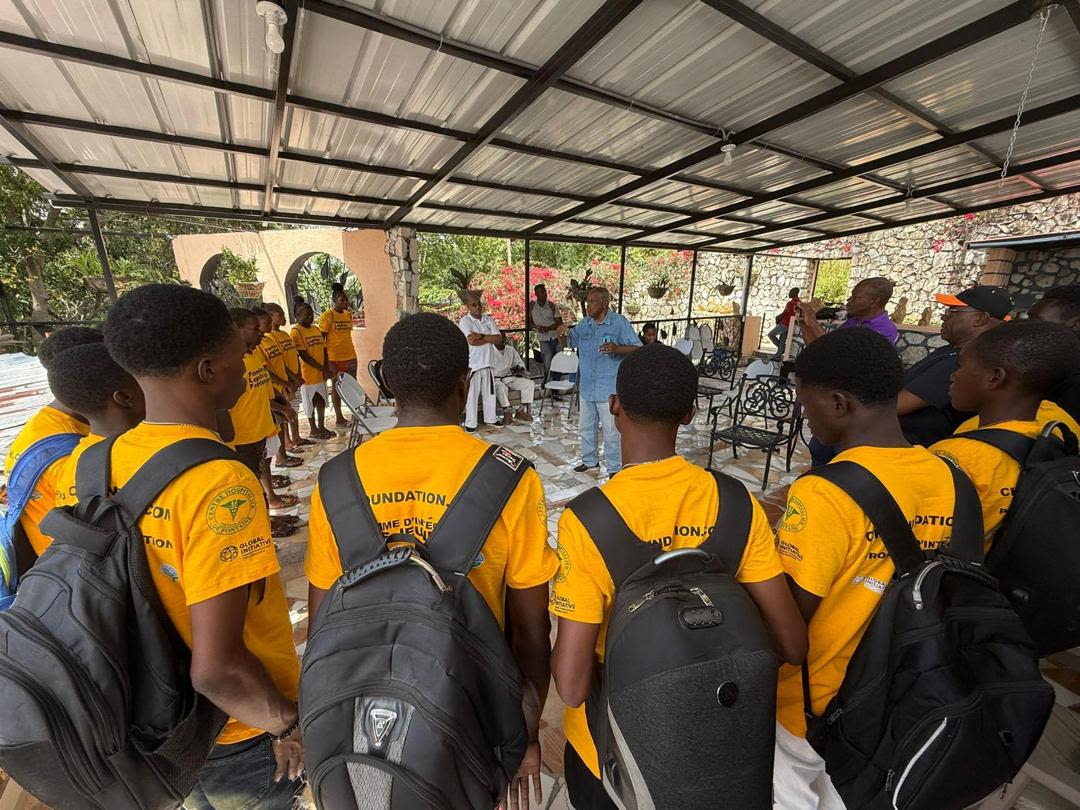

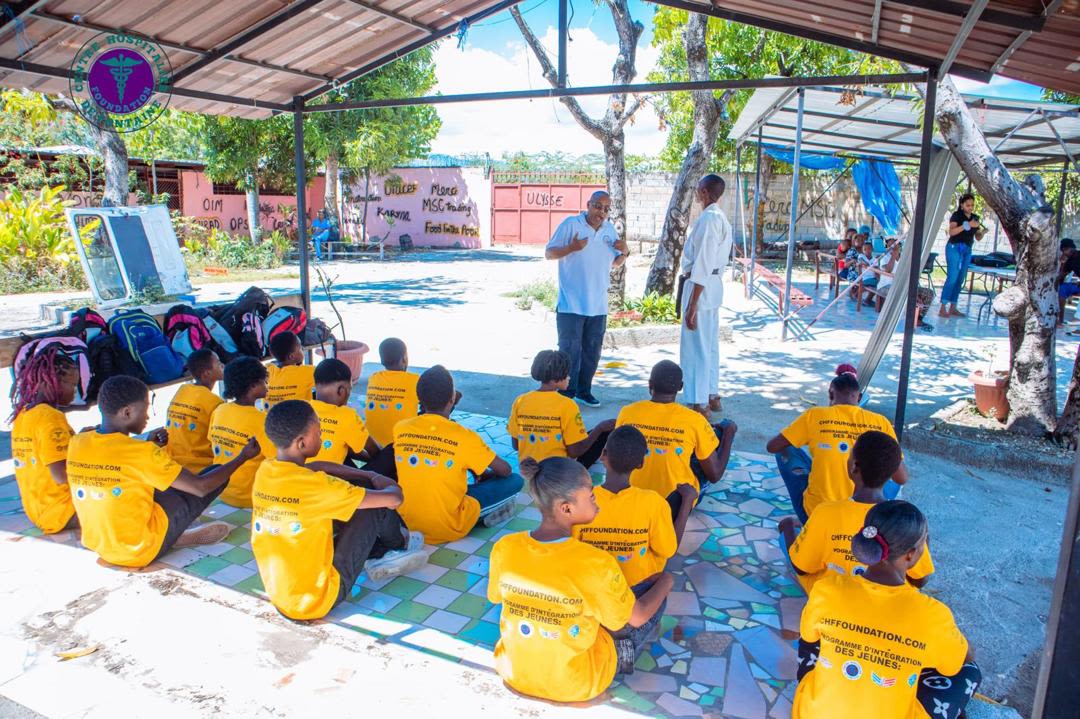
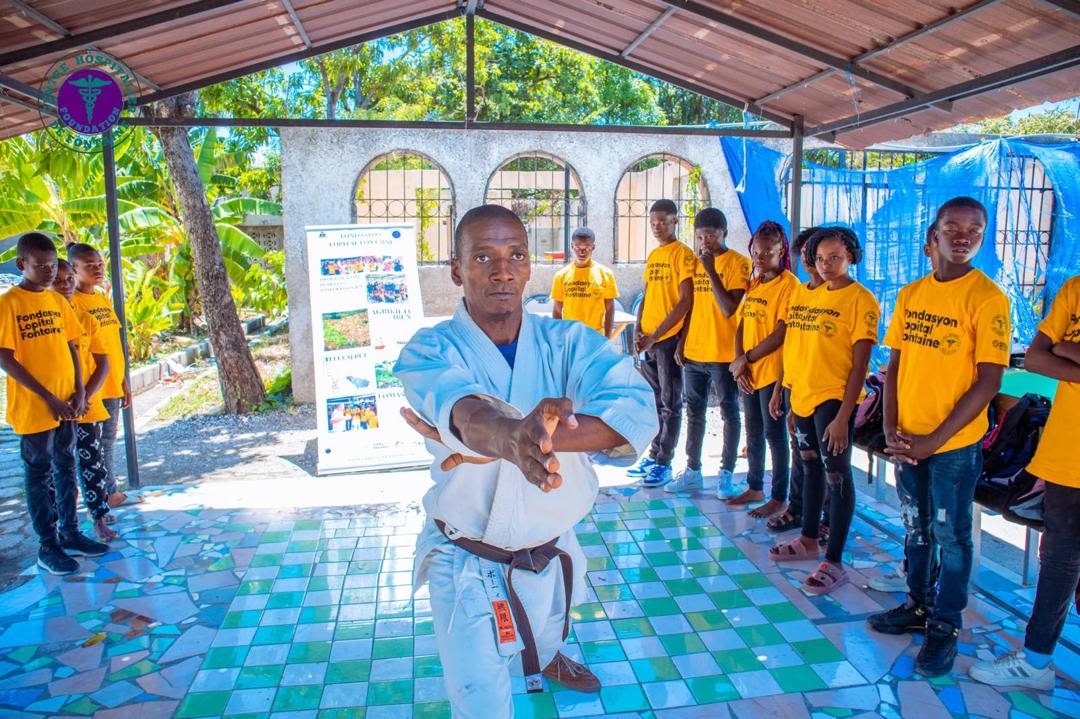

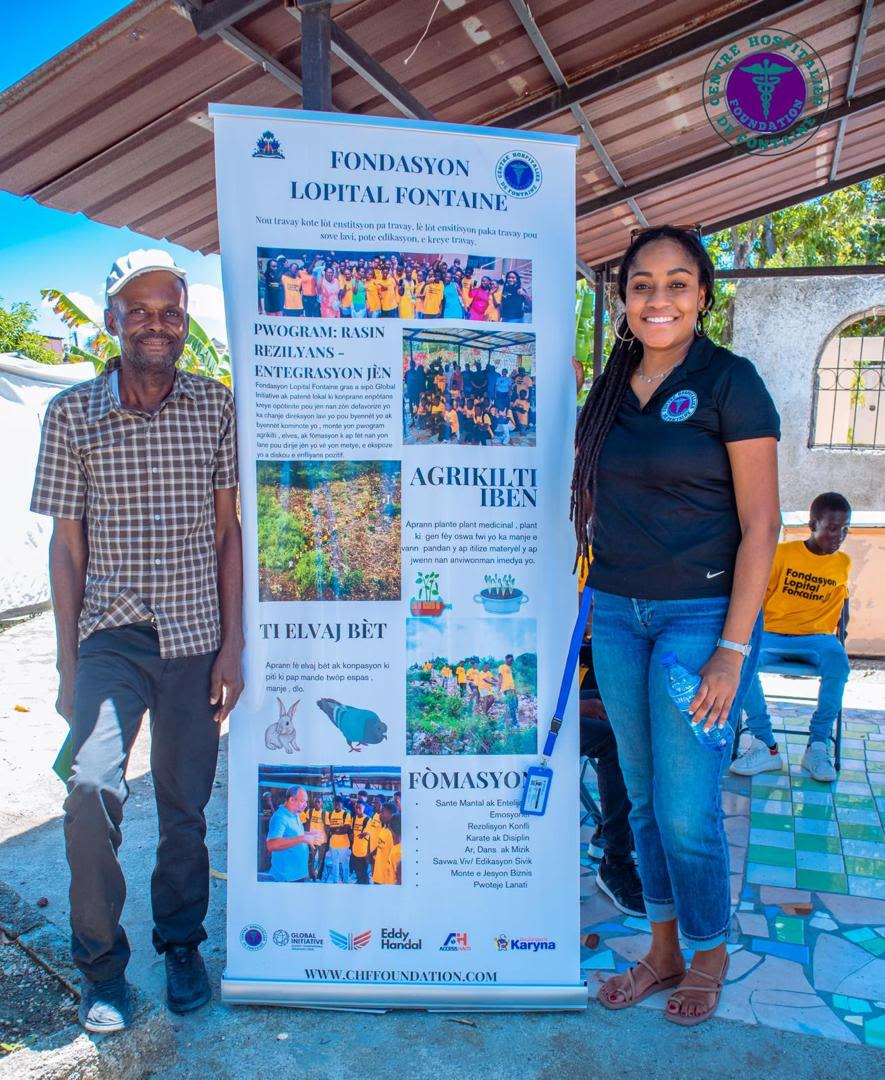

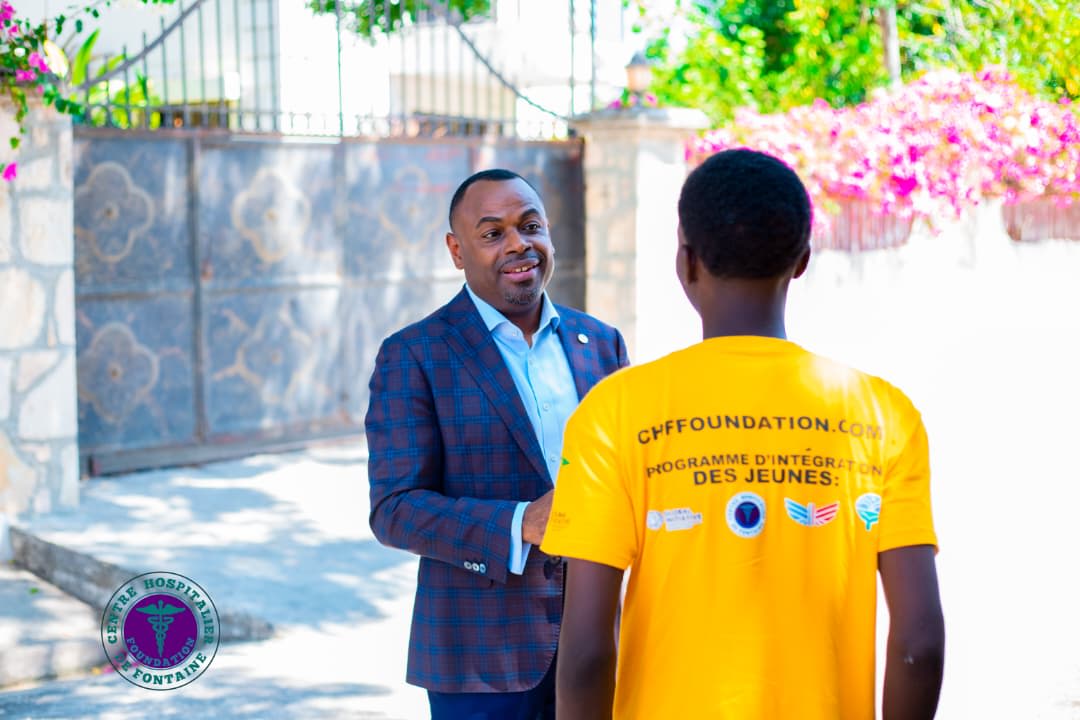
By creating safe spaces, expanding access to practical skills, and reinforcing community networks, these initiatives reduce exposure to violence, exploitation, and recruitment. They strengthen social cohesion and protective capacities in neighborhoods where organized crime far exceeds the state’s institutional ability to respond.
This work reflects a broader insight highlighted by the 2025 Global Organized Crime Index: while national-level resilience remains weak, community-led action plays a decisive role in limiting criminal influence, filling governance gaps, and sustaining hope in contexts of extreme fragility. Through locally driven solutions, Haitian civil society continues to demonstrate that resilience it is built every day, collectively, and from within communities themselves.
Explore related research and analysis from the GI-TOC Observatory of Violence and Resilience in Haiti
Peace operations in Haiti: Lessons from two decades of UN engagement
Responding to organized crime in the Caribbean
From criminal governance to community fragmentation
About the GI-TOC Observatory of Violence and Resilience in Haiti
The GI-TOC Observatory of Violence and Resilience in Haiti (HT-Obs) serves as a fundamental forum for research and analysis, civil society empowerment, capacity building and direct support for multilateral actors. These overlapping spheres of work will provide a complementary approach that is critical for national and international efforts, thereby ensuring the sustainability of solutions undertaken to resolve the Haitian crisis. The Haiti Observatory will lay the foundations for future civil society initiatives in the country, and serve as a model for local and international policy initiatives. Read more.
About the Resilience Fund
The Resilience Fund is the grant-making mechanism of GI-TOC. It was launched in 2019 in Vienna, to provide technical and financial support to civil society actors responding to organized crime. It was born out of the need to stand with those fighting at the forefront of criminal governance and violence, to raise the voice of local communities and bring their perspective to the multilateral fora. The Fund has as a mission to identify, enable and protect community actors and their efforts in parts of the world that are most affected by criminal governance. Read more.
About the GI-TOC
The Global Initiative Against Transnational Organized Crime is a network of professionals working on the front lines of the fight against the illicit economy and criminal actors. Through a network of global civil society observatories on the illicit economy, we monitor evolving trends and work to build the evidence basis for policy action, disseminate the expertise of our Network, and catalyze multisectoral and holistic responses across a range of crime types. With the Global Initiative's Resilience Fund, we support community activists and local non-governmental organizations working in areas where crime governance critically undermines people's safety, security and life chances.
 Built with Shorthand